

Pneumatic compression uses controlled, sequential pressure to help support the movement of fluid through the affected area. During treatment, an inflatable compression garment is connected to a pneumatic device. Chambers within the garment inflate and release in sequence, applying pressure along the limb to support lymphatic and venous return.
At the Lymphedema Center in Santa Monica, Dr. Emily Iker offers pneumatic compression device treatment in the office as part of individualized care for lymphatic and swelling disorders. Treatment includes the practice’s FDA-approved compression sleeve insert and is recommended based on the patient’s diagnosis, swelling pattern, tissue condition, circulation, and overall treatment needs.
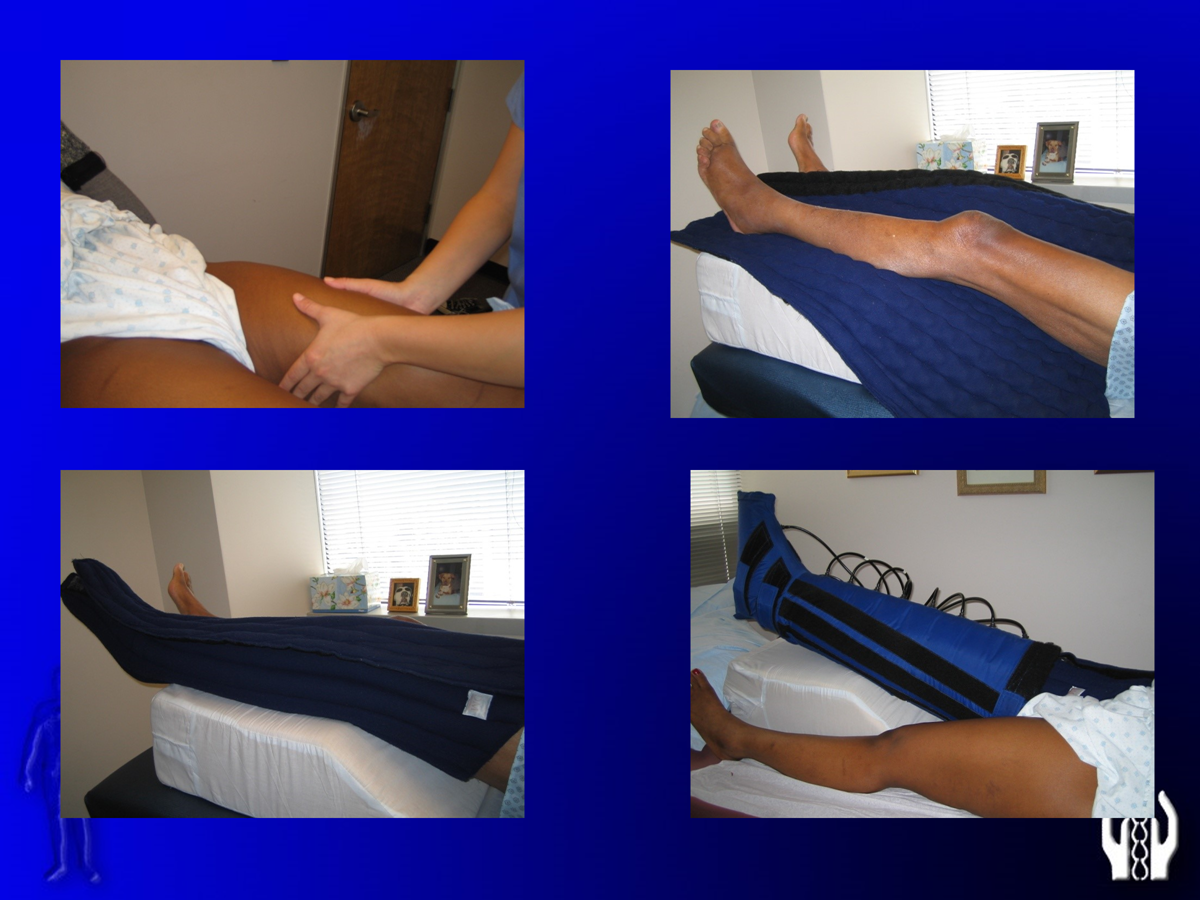
How Does Pneumatic Compression Work?
A pneumatic compression device uses a pump to deliver controlled pressure through an inflatable garment. Rather than applying constant pressure, chambers within the garment inflate and release in a sequence designed to encourage fluid movement through the affected area.
Pneumatic compression may be incorporated into a broader treatment plan to help manage persistent swelling, heaviness, tightness, or fluid accumulation. Depending on the patient, it may be used alongside compression garments, manual lymphatic drainage, movement, skin care, and other lymphatic management strategies.
Who May Benefit From Pneumatic Compression?
Pneumatic compression may be considered for selected patients with lymphedema and other conditions involving lymphatic swelling or fluid accumulation. Dr. Iker evaluates each patient before recommending treatment because not every form of swelling has the same cause or responds to compression in the same way.
The evaluation may consider:
- The cause and location of swelling
- Tissue firmness and fibrosis
- Skin condition
- Arterial and venous circulation
- Pain, sensation, and mobility
- Previous treatments and response to compression
- Other medical conditions that may affect treatment
This individualized approach helps determine whether pneumatic compression is appropriate and how it should fit into the patient’s overall care plan.
What Is the FDA-Approved Compression Sleeve Insert?
Dr. Iker has developed an FDA-approved compression sleeve design that may be incorporated into pneumatic compression device treatment at the Lymphedema Center. The sleeve reflects the practice’s focus on individualized compression and Dr. Iker’s decades of experience treating patients with lymphatic disorders.
During your consultation, Dr. Iker can explain how the sleeve insert is used as part of treatment and whether it is appropriate for your specific condition.
How Does Pneumatic Compression Fit Into Lymphatic Care?
Pneumatic compression is typically one component of a broader management strategy rather than a stand-alone solution. Depending on the patient’s needs, an individualized treatment plan may also include manual lymphatic drainage, compression garments or bandaging, movement and exercise, skin care, and strategies for managing symptoms at home.
Dr. Iker considers the patient’s diagnosis, physical findings, functional needs, and response to treatment when determining which therapies should be combined. Treatment recommendations may also change over time as swelling, tissue condition, mobility, or other health needs evolve.
Learn More About Pneumatic Compression Device Treatment
Pneumatic compression may provide another option for managing lymphatic swelling as part of a medically guided treatment plan. Call Lymphedema Center – Emily Iker, MD at (310) 829-7472 to schedule a consultation and learn whether pneumatic compression device treatment is appropriate for you.