
Lymphedema

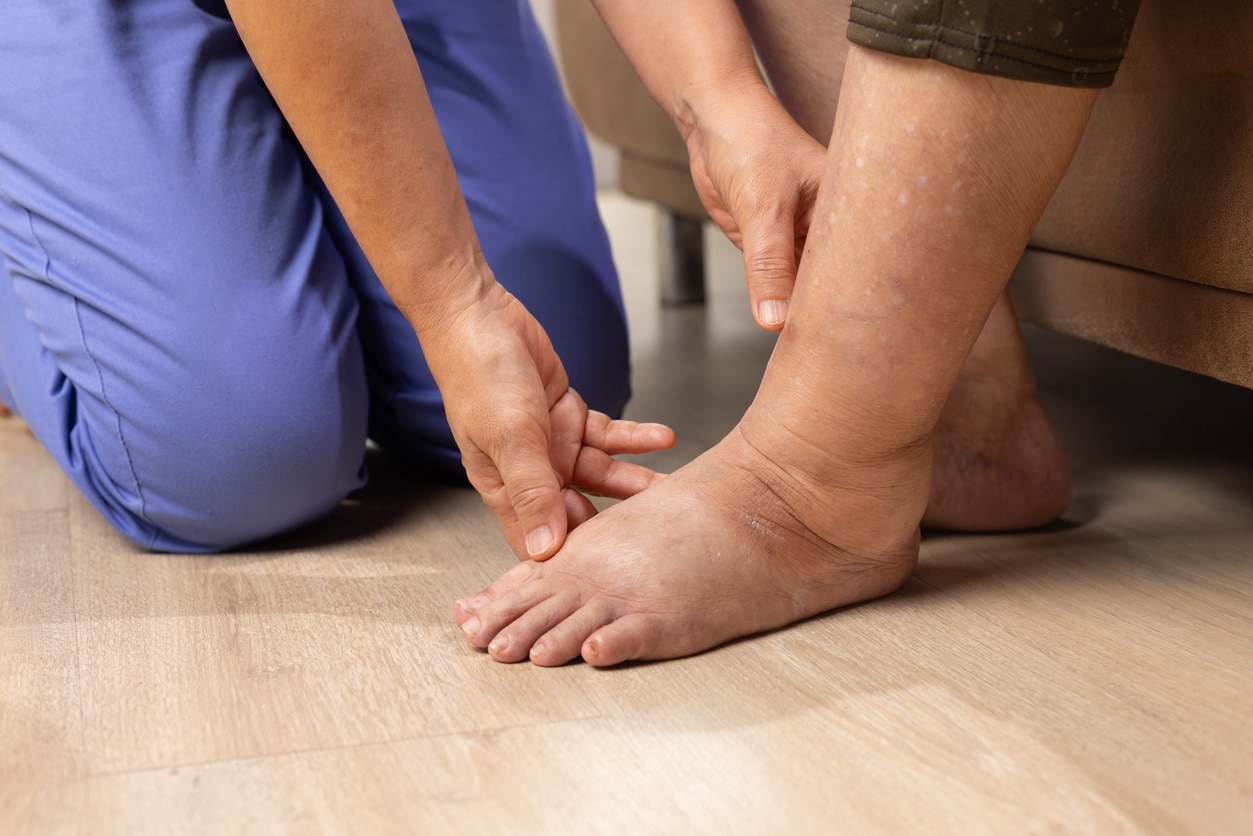
Lymphedema is a long-term condition that causes swelling when lymphatic fluid does not drain properly. It most often develops in an arm or leg, but it can also affect the face, neck, abdomen, genitals, or other parts of the body. Symptoms may begin with a subtle feeling of heaviness or tightness before noticeable swelling appears. With proper care, lymphedema can often be managed to reduce discomfort, support movement, and help prevent the condition from becoming more difficult to control.

Dr. Emily Iker has spent more than 30 years helping patients understand and manage lymphatic disorders at the Lymphedema Center in Santa Monica. She also has a personal connection to this work, having developed secondary lymphedema during her surgical residency. That experience inspired her to pursue specialized training and build a practice centered on attentive evaluations, individualized treatment plans, and practical long-term support.

What Is Lymphedema?

The lymphatic system is a network of vessels, nodes, and organs that helps regulate fluid levels, remove waste, and support the immune system. When lymphatic vessels or nodes cannot move fluid effectively, that fluid can collect in the tissues and cause swelling.

There are two main types of lymphedema:

  • Primary lymphedema is related to lymphatic vessels or nodes that did not develop normally. Symptoms may be present at birth, although they can also appear during adolescence or adulthood.

  • Secondary lymphedema occurs when a previously functioning lymphatic system is damaged or disrupted. It may develop after lymph node removal, cancer treatment, radiation, surgery, infection, trauma, or another medical condition.

Symptoms and progression can differ significantly between patients. Some have mild swelling that comes and goes, while others experience ongoing enlargement, tissue firmness, and skin changes. Lymphedema does not currently have a cure, but early and consistent management can make a meaningful difference.

What Does Lymphedema Feel Like?

Visible swelling is a common sign, but lymphedema can cause other changes as well. Depending on the affected area and the stage of the condition, symptoms may include:

  • A heavy, full, or tight sensation

  • Puffiness or swelling that changes during the day

  • Clothing, shoes, watches, or jewelry fitting more tightly

  • Aching, tenderness, or general discomfort

  • Reduced flexibility or range of motion

  • Skin that feels thicker or firmer

  • Hardening of the tissue over time

  • Recurring skin infections such as cellulitis

These symptoms can resemble those caused by venous disease, lipedema, medication side effects, or certain heart and kidney conditions. For that reason, unexplained swelling should be medically evaluated rather than assumed to be lymphedema.

How Is Lymphedema Diagnosed?

There is no single test required to diagnose lymphedema. An evaluation typically begins with a discussion of your symptoms, medical history, previous procedures, and possible risk factors. Dr. Iker considers when the swelling began, whether it changes throughout the day, and what makes it better or worse. She also reviews factors such as previous surgery or lymph node removal, cancer treatment or radiation therapy, injuries, infections, blood clots, family history, venous disease, medications, and episodes of cellulitis.

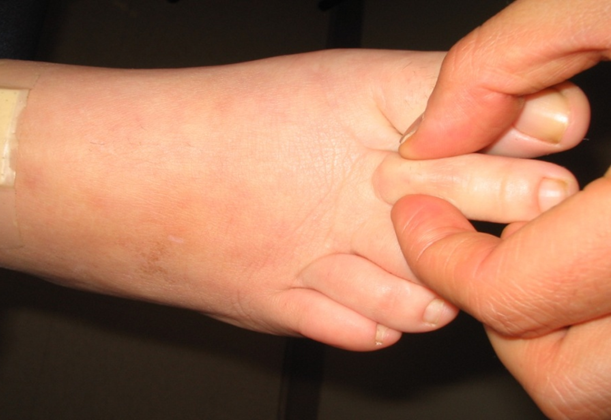
During the physical examination, Dr. Iker evaluates the location and pattern of swelling, whether the hands or feet are involved, and changes in the skin and underlying tissue. Limb measurements may also be used to document differences in size, although measurements alone cannot determine the cause of swelling.
Diagnostic ultrasonography may be used to examine the affected tissues more closely, including changes in tissue thickness, fluid accumulation, and fibrosis. Ultrasound findings can help distinguish lymphedema from lipedema and other causes of enlargement and may also provide a baseline for monitoring tissue changes over time. Dr. Iker is the lead author of pioneering research on the use of ultrasonography in diagnosing and monitoring lymphedema and lipedema.

Depending on the suspected cause of swelling, additional testing or evaluation by another medical specialist may sometimes be appropriate.

How Is Lymphedema Treated?

Treatment depends on where the swelling is located, how advanced it is, what caused it, and how it affects daily life. A personalized management plan may include:

  • Compression garments or specialized bandaging

  • Manual lymphatic drainage

  • Therapeutic exercise and regular movement

  • Careful skin and nail care

  • Pneumatic compression with Dr. Iker’s FDA-approved compression sleeve insert for appropriate patients

  • Nutritional or weight-management guidance when relevant

  • At-home strategies for monitoring and controlling symptoms

The goal is not simply to reduce visible swelling. Effective management can also help protect the skin, maintain mobility, ease discomfort, and lower the risk of infection. Because lymphedema can change over time, follow-up care may be needed to adjust compression, review symptoms, and update the treatment plan.

Why Choose Dr. Emily Iker for Lymphedema Treatment?

Dr. Iker is an internationally recognized physician whose work in lymphatic medicine includes patient care, research, education, and advocacy. She completed specialty training in Physical Medicine and Rehabilitation and received advanced instruction in Manual Lymphatic Drainage from renowned lymphology pioneer Professor Albert Leduc.

As founder and director of the Lymphedema Center, Dr. Iker takes time to look beyond swelling alone. She considers how symptoms affect movement, comfort, daily routines, and emotional well-being before recommending care. Her firsthand experience with lymphedema gives her additional insight into the practical challenges patients may face. Each treatment plan reflects decades of focused clinical experience while remaining personal to the individual receiving care.

Receive Personalized Lymphedema Care

Specialized care can help you better understand your swelling and take practical steps toward managing it. Call the Lymphedema Center at (310) 829-7472 to schedule a consultation with Dr. Emily Iker in Santa Monica, CA.

Scroll to Top