

Lipedema is a chronic connective tissue disorder that causes an abnormal buildup of painful, fibrotic fat, most often in the hips, buttocks, legs, and sometimes the arms. The condition primarily affects women and may become more noticeable during periods of hormonal change, such as puberty, pregnancy, or menopause. Lipedema is frequently mistaken for general weight gain or lymphedema, which can delay an accurate diagnosis and leave patients without the support they need.
At the Lymphedema Center in Santa Monica, Dr. Emily Iker offers specialized evaluation and long-term care for patients with lipedema. She has spent more than 30 years working with lymphatic and fat disorders and is a co-author of the Standard of Care for Lipedema in the United States. Her experience allows her to recognize less obvious signs of the condition and recommend care based on each patient’s symptoms, mobility, health, and goals.
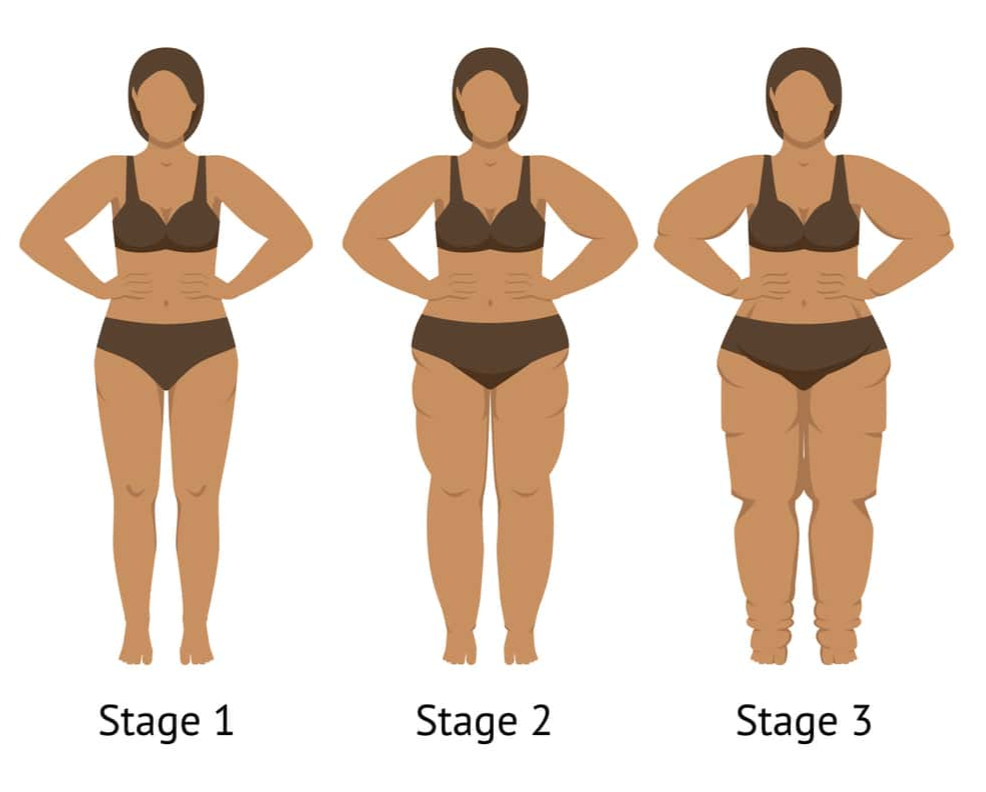
What Is Lipedema?
Lipedema causes a disproportionate accumulation of fat beneath the skin. It usually affects both sides of the body in a similar pattern, creating a noticeable difference between the upper and lower body. The waist may remain relatively narrow while the hips, thighs, and lower legs become larger.
Unlike ordinary body fat, lipedema tissue may be painful or tender and does not typically respond to diet and exercise in the same way. Maintaining supportive nutrition and regular movement remains important for overall health, but these habits generally cannot eliminate the affected tissue.
Common signs of lipedema include:
- Symmetrical enlargement of the legs, hips, or arms
- Pain, tenderness, heaviness, or aching in the affected tissue
- Easy bruising with little or no remembered injury
- A nodular, lumpy, or uneven texture beneath the skin
- Swelling that becomes worse later in the day
- Fat deposits that stop at the ankles or wrists
- Difficulty with walking, exercise, or other daily activities
Symptoms vary considerably. Some patients have mild tissue changes, while others experience substantial pain, reduced mobility, or swelling that becomes more difficult to manage over time.
What Is the Difference Between Lipedema and Lymphedema?
Although lipedema and lymphedema can both cause limb enlargement, they are different conditions. Lipedema primarily involves abnormal fat and connective tissue, while lymphedema develops when lymphatic fluid collects because the lymphatic system cannot drain it properly.
Lipedema usually affects both legs symmetrically and often stops at the ankles, leaving the feet relatively unaffected. Lymphedema may affect one limb more than the other and commonly includes the feet or hands. Tenderness and easy bruising are also more characteristic of lipedema.
The distinction is not always clear-cut because a patient can have both conditions. As lipedema progresses, increased tissue volume and inflammation may place additional strain on the lymphatic system. When lymphatic dysfunction develops alongside lipedema, the combined condition may be called lipo-lymphedema. A specialist evaluation is important because each condition can require a different management approach.
How Is Lipedema Diagnosed?
There is no single blood test, genetic test, or imaging study that independently confirms lipedema. Diagnosis is primarily based on a clinical evaluation of the patient’s symptoms, medical and family history, tissue distribution, and physical findings. Dr. Iker reviews when changes first appeared, whether they coincided with hormonal transitions, and how the affected areas have responded to weight loss. She also considers pain, bruising, swelling, mobility, and changes in daily function.
During the physical examination, Dr. Iker evaluates the location and symmetry of tissue enlargement, tissue texture and nodularity, tenderness, bruising, ankle or wrist cuffing, and whether the hands or feet are involved. She also looks for signs of fluid accumulation or fibrosis that may indicate accompanying lymphatic dysfunction.
Diagnostic ultrasonography may provide additional information about the thickness and characteristics of the tissue and help identify fluid accumulation or fibrosis. These findings can support the clinical evaluation and help distinguish lipedema from lymphedema and other causes of enlargement, but ultrasound is not used as a stand-alone diagnostic test. Dr. Iker is the lead author of pioneering research on the use of ultrasonography to diagnose and monitor lipedema and lymphedema.
How Is Lipedema Managed?
Lipedema care is tailored to the severity of the condition and its effects on comfort, mobility, lymphatic function, and daily life. A management plan may include:
- Compression garments, including the practice’s FDA-approved compression sleeve design when appropriate
- Manual lymphatic drainage
- Low-impact exercise and regular movement
- Nutritional guidance that supports overall health
- Skin care and strategies for managing discomfort
- Pneumatic compression for selected patients
- Emotional support or counseling when needed
Conservative care cannot remove lipedema tissue, but it may help manage swelling, ease symptoms, maintain mobility, and protect lymphatic health. For some patients, specialized lipedema reduction surgery may also be considered. Dr. Iker can help patients understand their options and coordinate with other qualified professionals when appropriate.
Why Choose Dr. Emily Iker for Lipedema Treatment?
Dr. Iker is internationally recognized for her clinical, educational, and research contributions to lipedema care. In addition to co-authoring the national Standard of Care, she co-authored the Lymphedema and Lipedema Nutrition Guide and has helped advance the use of ultrasonography in evaluating these conditions.
Her approach considers more than physical appearance. Dr. Iker looks at pain, swelling, mobility, tissue health, emotional well-being, and the practical challenges of living with a chronic disorder. Patients receive clear explanations and individualized recommendations informed by decades of focused experience.
Get Answers About Painful, Disproportionate Fat
If unexplained tissue enlargement, tenderness, or easy bruising may be related to lipedema, an informed evaluation can bring clarity. Contact Lymphedema Center – Emily Iker, MD at (310) 829-7472 to schedule a consultation in Santa Monica, CA.