

Swelling becomes more common with age, but it should not automatically be considered a normal part of getting older. Changes in circulation, reduced mobility, chronic health conditions, medications, and previous surgeries can all contribute to swelling in the legs, arms, or other areas. Older adults may also have more than one cause at the same time, making an accurate diagnosis especially important.
At the Lymphedema Center in Santa Monica, Dr. Emily Iker evaluates swelling with attention to the patient’s overall health, physical function, and medical history. As a physician trained in Physical Medicine and Rehabilitation, she considers how swelling affects balance, walking, comfort, independence, and everyday activities. Her goal is to identify possible lymphatic involvement and develop a realistic management plan for each patient.
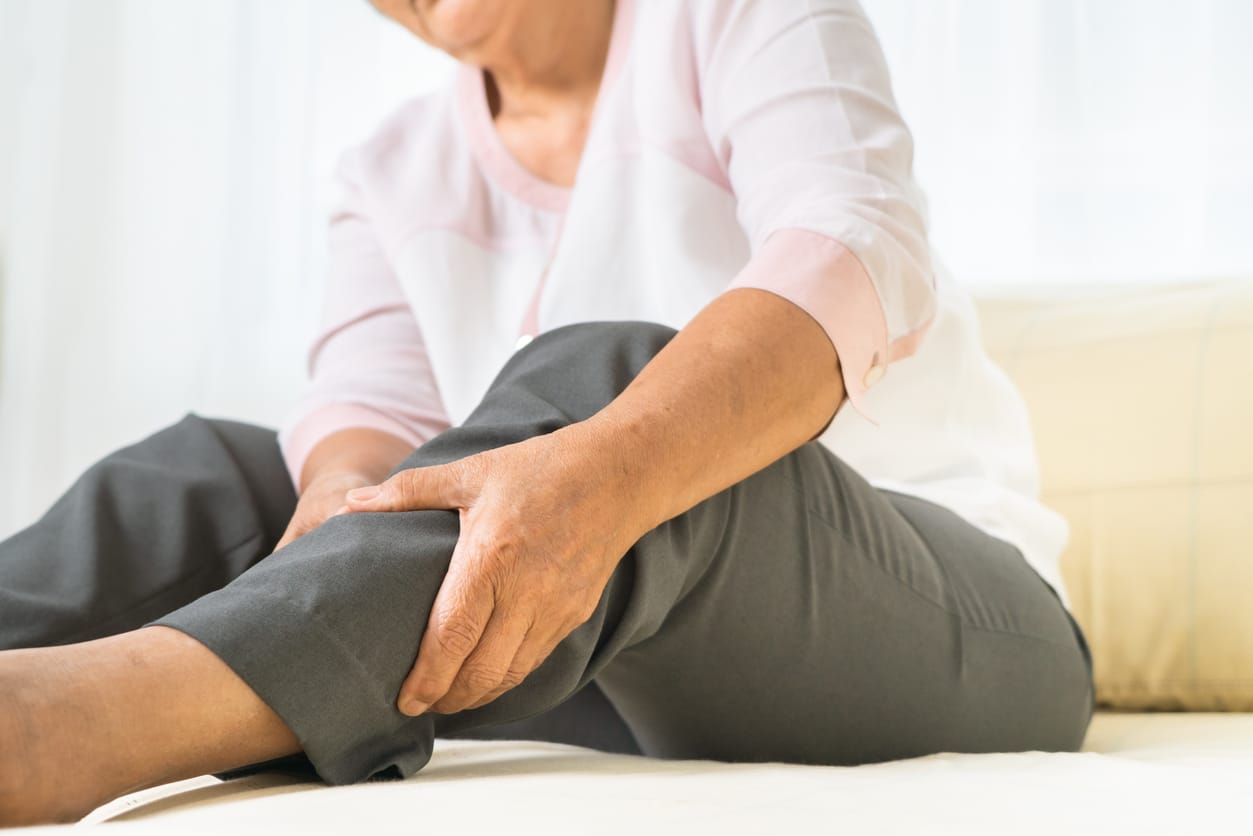
What Causes Swelling in Older Adults?
Swelling occurs when fluid collects within the tissues. Aging itself does not directly cause lymphedema, but age-related changes and medical conditions may make fluid more likely to accumulate or become harder for the body to clear.
Possible contributing factors include:
- Chronic venous insufficiency
- Lymphedema or phlebo-lymphedema
- Reduced activity or extended periods of sitting
- Previous blood clots, injuries, or surgeries
- Cancer treatment or lymph node removal
- Heart, kidney, or liver conditions
- Infection or inflammation
- Certain blood pressure medicines, steroids, and other medications
- Obesity or difficulty walking
- Age-related changes in the skin and tissues
Older adults may develop new lymphatic dysfunction, but they may also experience the progression of a condition that began years earlier. For example, longstanding venous insufficiency can gradually overwhelm the lymphatic system and lead to phlebo-lymphedema.
What Signs May Point to a Swelling Disorder?
Geriatric swelling can appear gradually, so early changes may be attributed to inactivity or aging. Signs that may need medical evaluation include:
- Persistent swelling in one or both limbs
- Puffiness around the ankles, feet, hands, or joints
- Heaviness, aching, fullness, or tightness
- Shoes or clothing becoming harder to put on
- Swelling that no longer improves overnight
- Firm, thickened, or hardened tissue
- Dryness, discoloration, or other skin changes
- Fluid leaking through the skin
- Recurring wounds or cellulitis
- Increasing difficulty walking or bending a joint
Sudden swelling in one limb, particularly with warmth, redness, or pain, requires prompt medical attention. Chest pain, shortness of breath, coughing blood, confusion, or faintness may indicate an emergency and should be evaluated immediately.
Why Can Geriatric Swelling Be Difficult to Diagnose?
Several conditions can produce similar-looking swelling. An older patient may have venous disease, lymphatic dysfunction, medication-related fluid retention, or a systemic condition involving the heart, kidneys, or liver. Limited mobility can add another layer by reducing the muscle activity that normally helps move fluid out of the legs.
Evaluation includes reviewing when the swelling began, how it changes, and whether there have been recent medication changes, infections, injuries, procedures, or mobility limitations. Dr. Iker also examines the swelling pattern, skin, and tissue texture. Diagnostic ultrasonography may be used to evaluate tissue changes associated with lymphatic disorders. Blood tests, vascular studies, or evaluation by another physician may be recommended when the findings suggest a non-lymphatic cause.
How Are Geriatric Swelling Conditions Managed?
Treatment depends on the cause of the swelling and must account for the patient’s circulation, skin health, strength, and ability to follow a home-care routine. Recommendations may include:
- Compression garments or bandaging, including the practice’s FDA-approved compression sleeve design when appropriate
- Manual lymphatic drainage
- Gentle exercise and regular movement suited to the patient’s abilities
- Leg elevation when medically appropriate
- Pneumatic compression for selected patients
- Skin and nail care
- Nutritional or weight-management guidance when relevant
- Coordination with primary care, vascular, cardiac, or other specialists
Compression is not appropriate for every patient and should be used with caution when arterial disease, fragile skin, reduced sensation, or certain heart conditions are present. Treatment should also be practical. A garment that is too difficult to put on, for example, may require a different approach or help from a caregiver.
Can Treatment Help Older Adults Maintain Independence?
Managing swelling can support more than physical comfort. Heavy or enlarged limbs may make it harder to walk, transfer safely, dress, or participate in social and recreational activities. Skin changes can also increase the risk of wounds and infections.
A personalized care plan may help control fluid buildup, preserve joint movement, protect vulnerable skin, and make daily activities more manageable. Family members and caregivers can be included when assistance is needed with compression, skin care, or symptom monitoring.
Why Choose Dr. Emily Iker for Geriatric Swelling Conditions?
Dr. Iker has spent decades helping patients navigate the physical and practical challenges of chronic swelling. Her own experience living with secondary lymphedema gives her added insight into the demands of long-term management, including routines that may become more challenging as a patient’s health or mobility changes.
Rather than viewing swelling in isolation, she considers the whole patient. Recommendations are shaped around medical risks, comfort, functional ability, available support, and personal priorities. When swelling involves conditions outside the Center’s scope, Dr. Iker can help patients understand when coordinated care may be needed.
Seek Specialized Support for Age-Related Swelling
Persistent swelling can affect comfort and independence, but a thoughtful evaluation can help uncover what is contributing to it. Call Lymphedema Center – Emily Iker, MD at (310) 829-7472 to schedule a consultation for geriatric swelling conditions in Santa Monica, CA.