

Phlebo-lymphedema develops when problems with the veins and lymphatic system occur together, leading to persistent swelling that most commonly affects the legs. The condition may begin with chronic venous insufficiency, which makes it harder for blood to travel from the legs back toward the heart. As fluid pressure builds in the tissues, the lymphatic system works harder to clear it. Over time, this increased demand can overwhelm or damage the lymphatic vessels, leading to a combined venous and lymphatic disorder.
At the Lymphedema Center in Santa Monica, Dr. Emily Iker provides careful evaluations for patients with complex or unexplained swelling. Her more than 30 years of experience with lymphatic disorders, combined with her pioneering work involving diagnostic ultrasonography, allows her to look beyond the visible swelling and consider the different systems that may be contributing to it. Treatment is then shaped around the patient’s symptoms, health history, and everyday needs.
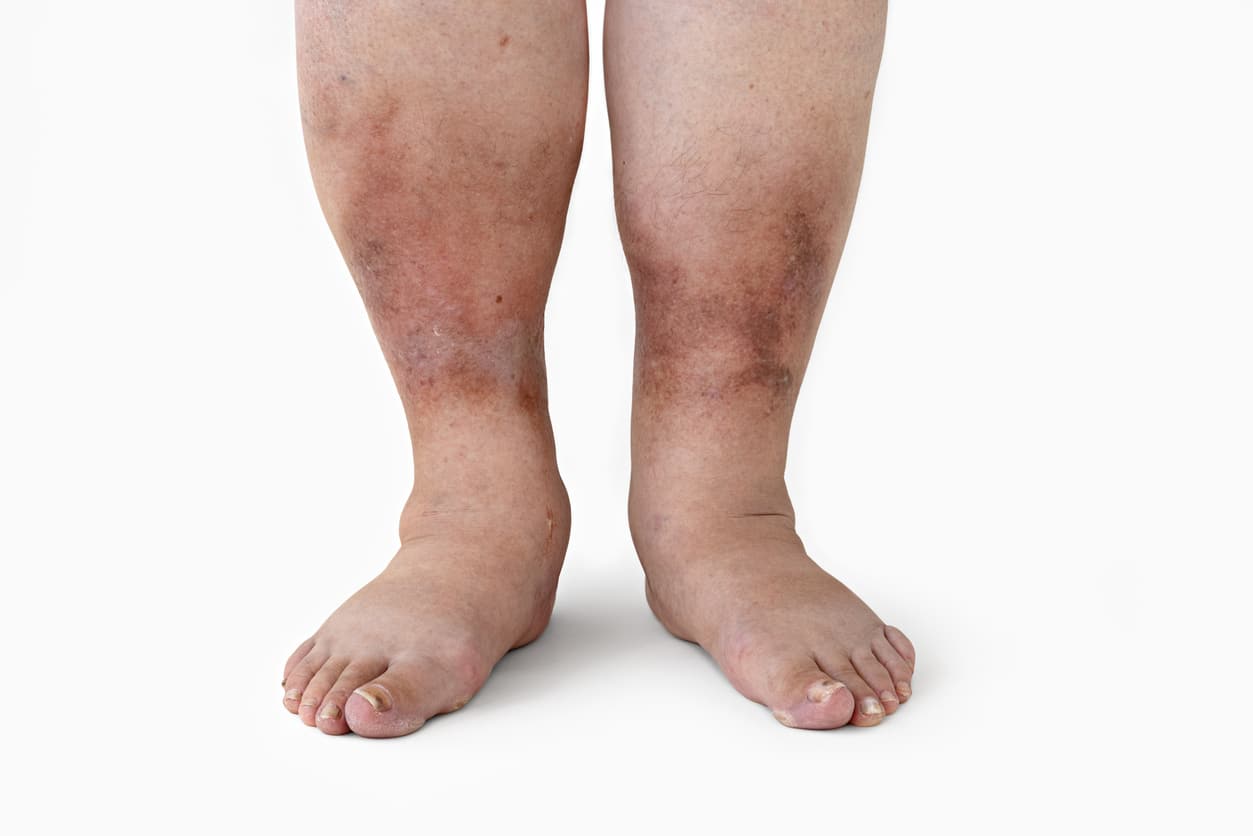
What Is Phlebo-Lymphedema?
The veins in the legs contain valves that help move blood upward against gravity. When these valves weaken or become damaged, blood may collect in the lower legs instead of circulating efficiently. This condition is known as chronic venous insufficiency.
The lymphatic system initially helps compensate by removing some of the excess fluid. If the venous problem continues, however, the amount of fluid may eventually exceed what the lymphatic system can manage. Protein-rich lymphatic fluid then remains in the tissues, contributing to ongoing inflammation, swelling, and tissue changes. This combined condition is called phlebo-lymphedema, or phlebolymphedema.
Risk factors may include a history of:
-
Chronic venous insufficiency or varicose veins
-
Deep vein thrombosis or other blood clots
-
Leg injuries or surgery
-
Obesity or limited mobility
-
Recurrent skin infections
-
Long periods of standing or sitting
-
Previous lymphatic damage
Not everyone with venous disease develops phlebo-lymphedema. The likelihood and severity depend on the health of the veins, lymphatic vessels, and surrounding tissues.
What Are the Signs of Phlebo-Lymphedema?
Symptoms often begin around the ankles and lower legs. Early swelling may improve with rest or elevation, but it can become more persistent as the condition progresses. Common signs include:
-
Swelling in one or both legs
-
Heaviness, aching, or tightness
-
Ankle swelling that worsens later in the day
-
Firm or thickened tissue
-
Brownish or reddish skin discoloration
-
Dry, itchy, irritated, or hardened skin
-
Fluid leakage from the skin in advanced cases
-
Recurring wounds, ulcers, or cellulitis
-
Difficulty fitting into shoes or moving comfortably
Because several medical conditions can cause leg swelling, symptoms alone do not confirm phlebo-lymphedema. Heart, kidney, liver, medication-related, and other vascular concerns may need to be considered before an appropriate treatment plan can be developed.
How Is Phlebo-Lymphedema Diagnosed?
No single finding confirms every case of phlebo-lymphedema. Diagnosis typically requires evidence of chronic venous disease together with signs that lymphatic drainage has also become impaired. Evaluation begins with a detailed discussion of when the swelling started, how it changes throughout the day, and whether there is a history of vein disease, blood clots, vein procedures, wounds, infections, surgery, or injury. Dr. Iker also considers medications, mobility limitations, and other medical conditions that could cause or worsen fluid retention.
During the physical examination, Dr. Iker evaluates whether one or both legs are affected, whether swelling extends into the feet and toes, the texture and firmness of the tissues, and changes in skin color, thickness, and integrity. She also looks for varicose veins or wounds and considers how the swelling affects joint movement and walking. Limb measurements may help document enlargement, but they cannot determine whether the underlying cause is venous, lymphatic, or a combination of both.
Diagnostic ultrasonography may be used to examine fluid accumulation, tissue thickness, and fibrosis associated with lymphatic dysfunction. Dr. Iker is the lead author of pioneering research exploring ultrasonography in the diagnosis and monitoring of lymphedema and lipedema. When venous disease is suspected, a venous duplex ultrasound or other vascular testing may also be appropriate to evaluate blood flow, obstruction, and venous valve function. Additional testing or coordination with another medical specialist may be recommended based on the individual patient’s findings.
How Is Phlebo-Lymphedema Treated?
Treatment typically addresses both the excess fluid and the underlying venous pressure. Depending on the patient’s needs, care may include:
-
Compression garments or specialized bandaging
-
Manual lymphatic drainage
-
Regular walking and therapeutic exercise
-
Leg elevation when appropriate
-
Careful skin and nail care
-
Pneumatic compression for selected patients
-
Nutritional or weight-management guidance when relevant
-
Treatment of underlying venous disease by an appropriate specialist
Compression must be selected carefully, particularly when a patient may also have arterial disease or another condition affecting circulation. Consistent management can help control swelling, support mobility, protect the skin, and reduce the risk of infection or wounds.
Why Choose Dr. Emily Iker for Phlebo-Lymphedema Treatment?
Complex swelling requires a physician who understands how the lymphatic system interacts with circulation, inflammation, mobility, and overall health. As founder and director of the Lymphedema Center, Dr. Iker has devoted her career to diagnosing and managing lymphatic conditions that are sometimes overlooked or mistaken for other causes of swelling.
Her approach combines a detailed clinical evaluation with advanced knowledge of tissue changes and lymphatic function. Rather than focusing only on limb size, Dr. Iker considers discomfort, skin health, movement, medical risks, and the practical demands of managing a chronic condition. Patients receive individualized recommendations designed to support both immediate symptom control and long-term care.
Find Care for Phlebo-Lymphedema
Persistent leg swelling deserves care that considers both venous circulation and lymphatic function. To receive a thorough evaluation, call Lymphedema Center – Emily Iker, MD at (310) 829-7472 and schedule a consultation in Santa Monica, CA.