

Venous insufficiency occurs when the veins in the legs have difficulty returning blood to the heart. Instead of moving upward efficiently, blood can pool in the lower legs, increasing pressure within the veins. This may lead to swelling, aching, heaviness, visible veins, and changes in the skin. Although venous insufficiency begins as a circulatory problem, ongoing fluid buildup can also place additional strain on the lymphatic system.
At the Lymphedema Center in Santa Monica, Dr. Emily Iker evaluates how venous problems may be contributing to persistent swelling and lymphatic dysfunction. With more than 30 years devoted to lymphatic medicine, she understands the close relationship between the venous and lymphatic systems. Her individualized approach helps patients identify the factors behind their swelling and determine which forms of management or coordinated specialty care may be appropriate.
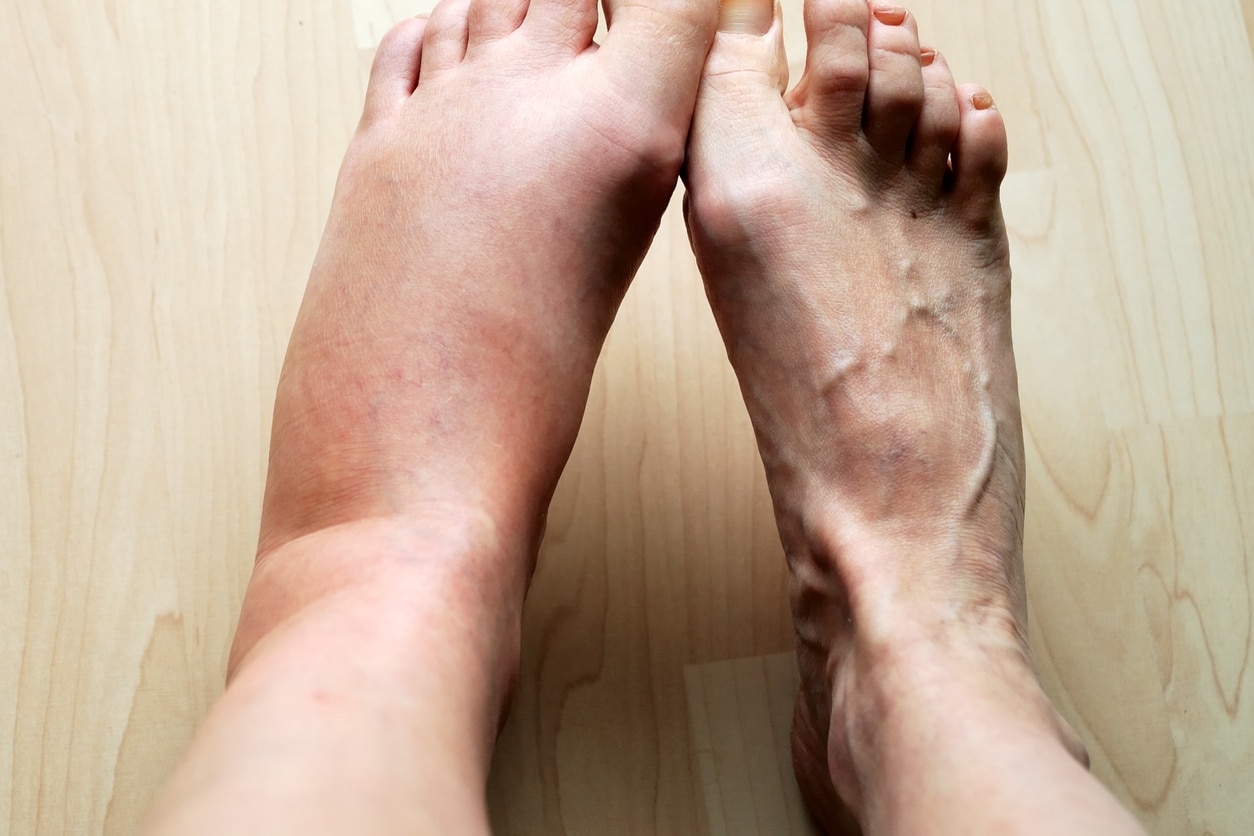
What Is Venous Insufficiency?
Veins contain one-way valves that help blood travel upward from the legs toward the heart. When these valves weaken or become damaged, some blood can flow backward and collect in the veins. This condition is known as chronic venous insufficiency.
Several factors may increase the likelihood of developing it, including:
-
A history of deep vein thrombosis or other blood clots
-
Varicose veins
-
Previous leg injuries or surgery
-
Pregnancy
-
Obesity
-
Limited physical activity
-
Long periods of sitting or standing
-
Increasing age
-
A family history of venous disease
Venous insufficiency can range from mild to advanced. Symptoms may initially improve with rest or leg elevation but become more persistent if pressure continues to build within the veins.
What Are the Signs of Venous Insufficiency?
Symptoms usually affect the lower legs and ankles and may become more noticeable later in the day. Common signs include:
-
Ankle or lower-leg swelling
-
Aching, cramping, throbbing, or heaviness
-
Tired-feeling legs
-
Varicose or spider veins
-
Itchy, dry, or irritated skin
-
Brown, red, or purple skin discoloration
-
Thickened or hardened tissue
-
Open sores near the ankles
-
Swelling that improves with elevation
Sudden swelling in one leg, especially when accompanied by pain, warmth, redness, chest pain, or shortness of breath, requires prompt medical attention. These symptoms may indicate a blood clot or another urgent condition rather than chronic venous insufficiency.
How Are Venous Insufficiency and Lymphedema Connected?
The venous and lymphatic systems work together to regulate fluid within the tissues. When weakened veins allow excess fluid to collect in the legs, the lymphatic system initially helps remove it. If venous pressure remains elevated, however, the lymphatic system may eventually become overwhelmed.
This can lead to phlebo-lymphedema, a condition involving both venous insufficiency and impaired lymphatic drainage. Swelling may stop resolving with rest, and the tissues can become firmer or thicker over time. Skin inflammation, fluid leakage, wounds, and recurrent cellulitis may also develop.
Venous insufficiency and lymphedema are not the same condition, but they can occur together. Recognizing both components is important because treating the veins alone may not fully resolve swelling once lymphatic dysfunction is present.
How Is Venous Insufficiency Evaluated?
An evaluation includes discussing when the swelling began, how it changes throughout the day, and whether there is a history of blood clots, vein procedures, injuries, or infections. The location of the swelling, tissue texture, skin condition, and involvement of the feet can provide additional clues.
Dr. Iker may use diagnostic ultrasonography to examine tissue changes associated with swelling. She is the lead author of pioneering research involving ultrasonography in the diagnosis and monitoring of lymphatic disorders. When more detailed assessment of blood flow and venous valves is needed, vascular testing or referral to an appropriate vein specialist may be recommended.
How Is Swelling From Venous Insufficiency Managed?
Care depends on the severity of venous disease, the presence of lymphatic dysfunction, and the patient’s overall circulation. A plan may include:
-
Compression garments or specialized bandaging, including the practice’s FDA-approved compression sleeve design when appropriate
-
Regular walking and other suitable movement
-
Leg elevation
-
Skin and nail care
-
Manual lymphatic drainage when indicated
-
Pneumatic compression for selected patients
-
Nutritional or weight-management guidance when relevant
-
Evaluation or treatment by a vascular specialist
Compression should be selected carefully, as certain circulatory problems can make it unsuitable. When advanced venous disease requires a procedure, Dr. Iker can help address the lymphatic component of swelling while coordinating care with the appropriate specialist.
Why Choose Dr. Emily Iker for Venous Insufficiency?
Dr. Iker focuses on the swelling and lymphatic complications that may accompany venous insufficiency. As founder and director of the Lymphedema Center, she brings decades of experience evaluating complex cases in which multiple conditions may affect the legs.
Her approach considers circulation, lymphatic drainage, tissue changes, skin health, mobility, and everyday comfort. Patients receive a clear explanation of what may be contributing to their symptoms, along with personalized recommendations and referrals when venous treatment outside the Center is needed.
Address Venous-Related Leg Swelling
When circulation problems begin to affect lymphatic drainage, specialized care can help bring both aspects of the condition into focus. Contact Lymphedema Center – Emily Iker, MD at (310) 829-7472 to schedule a consultation in Santa Monica, CA.