

Swelling in a baby, child, or teenager can be concerning, especially when it persists or has no clear explanation. It may affect one limb, both legs, the face, the genitals, or another part of the body. Some pediatric swelling is temporary and related to an injury or infection, while other cases involve a developmental difference in the lymphatic system. A careful evaluation can help families understand what is happening and whether ongoing care is needed.
At the Lymphedema Center in Santa Monica, Dr. Emily Iker brings more than 30 years of experience to the diagnosis and management of lymphatic disorders. She recognizes that pediatric swelling requires an approach that accounts for growth, activity, comfort, and the child’s ability to participate in care. Families receive clear explanations and individualized guidance intended to make long-term management feel more practical and less overwhelming.
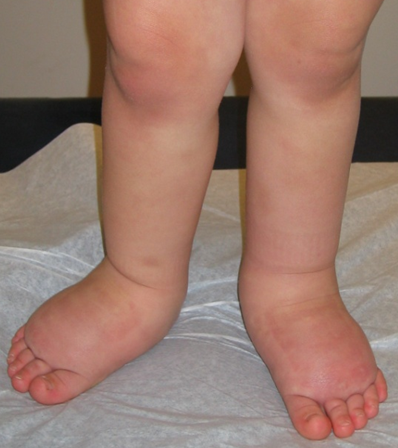
What Causes Pediatric Swelling?
Swelling develops when fluid collects within the tissues. In children, this can occur for several reasons, and not every case is due to a lymphatic disorder. Possible causes include:
-
Primary lymphedema related to lymphatic vessels or nodes that did not develop normally
-
Lymphatic or vascular malformations
-
Genetic conditions or syndromes that affect the lymphatic system
-
Surgery, trauma, infection, or cancer treatment
-
Venous circulation problems
-
Medication side effects
-
Heart, kidney, liver, or inflammatory conditions
-
Limited movement following an illness or injury
Primary lymphedema may be noticeable at birth, but it can also appear later in childhood or during adolescence. Growth spurts and hormonal changes may make an underlying lymphatic condition more apparent. Swelling may begin gradually, making early signs easy to overlook.
What Signs Should Parents Watch For?
Pediatric swelling does not always begin with a dramatic change in limb size. A child may first describe unusual heaviness or tightness, or a parent may notice that clothing and shoes fit differently.
Signs that may warrant an evaluation include:
-
Ongoing swelling in an arm, leg, hand, foot, or other area
-
One limb appearing larger than the other
-
Swelling that increases during the day or after activity
-
Heaviness, aching, tightness, or reduced flexibility
-
Shoes, socks, or clothing leaving deeper marks
-
Skin that feels firm, thickened, or warmer than usual
-
Fluid leaking through the skin
-
Repeated skin infections, including cellulitis
-
Difficulty participating in sports or everyday activities
Sudden swelling accompanied by breathing difficulty, chest pain, severe pain, fever, redness, or warmth requires prompt medical attention. These symptoms may indicate an infection, a blood clot, an allergic reaction, or another urgent condition.
How Are Pediatric Swelling Conditions Diagnosed?
Evaluation begins with a detailed discussion of when the swelling appeared, whether it changes over the course of the day, and whether the child has experienced infections, injuries, surgeries, or other health concerns. Family history can also be helpful because some primary lymphatic disorders have a genetic component.
Dr. Iker examines the distribution and texture of the swelling along with changes in the skin and surrounding tissues. Diagnostic ultrasonography may be used to gather additional information. As the lead author of pioneering research on ultrasonography for lymphedema assessment, Dr. Iker uses this technology to evaluate tissue changes and distinguish lymphatic swelling from conditions that may appear similar. Additional imaging, genetic evaluation, or coordination with the child’s pediatrician and other specialists may be recommended when appropriate.
How Is Pediatric Swelling Managed?
Treatment depends on the cause, location, and severity of the swelling, as well as the child’s age and daily routine. When lymphatic dysfunction is involved, care may include:
-
Properly fitted compression garments or bandaging
-
-
Age-appropriate exercise and regular movement
-
Skin and nail care
-
Pneumatic compression for selected patients
-
Guidance for parents on monitoring symptoms at home
-
Coordination with pediatric and other medical specialists
Children grow quickly, so compression garments and treatment routines may need to be reviewed regularly. The aim is to manage swelling while allowing the child to move comfortably, attend school, play, and take part in age-appropriate activities. As children mature, they can gradually become more involved in caring for their skin, using compression, and recognizing changes that should be reported.
Why Choose Dr. Emily Iker for Pediatric Swelling Conditions?
Dr. Iker has dedicated her career to helping patients with complex lymphatic conditions receive informed, compassionate care. Her training in Physical Medicine and Rehabilitation supports an approach that considers movement, function, comfort, and participation in everyday life.
At Dr. Iker’s practice, pediatric care also involves supporting the family. She takes time to explain findings in understandable language and develop recommendations that fit the child’s age, needs, and activities. When another type of expertise is required, care may be coordinated with the child’s existing medical team or an appropriate pediatric specialist.
Find Support for Your Child’s Swelling
Getting clear answers can help your family move forward with greater confidence. Contact Lymphedema Center – Emily Iker, MD at (310) 829-7472 to schedule a consultation for pediatric swelling conditions in Santa Monica, CA.