
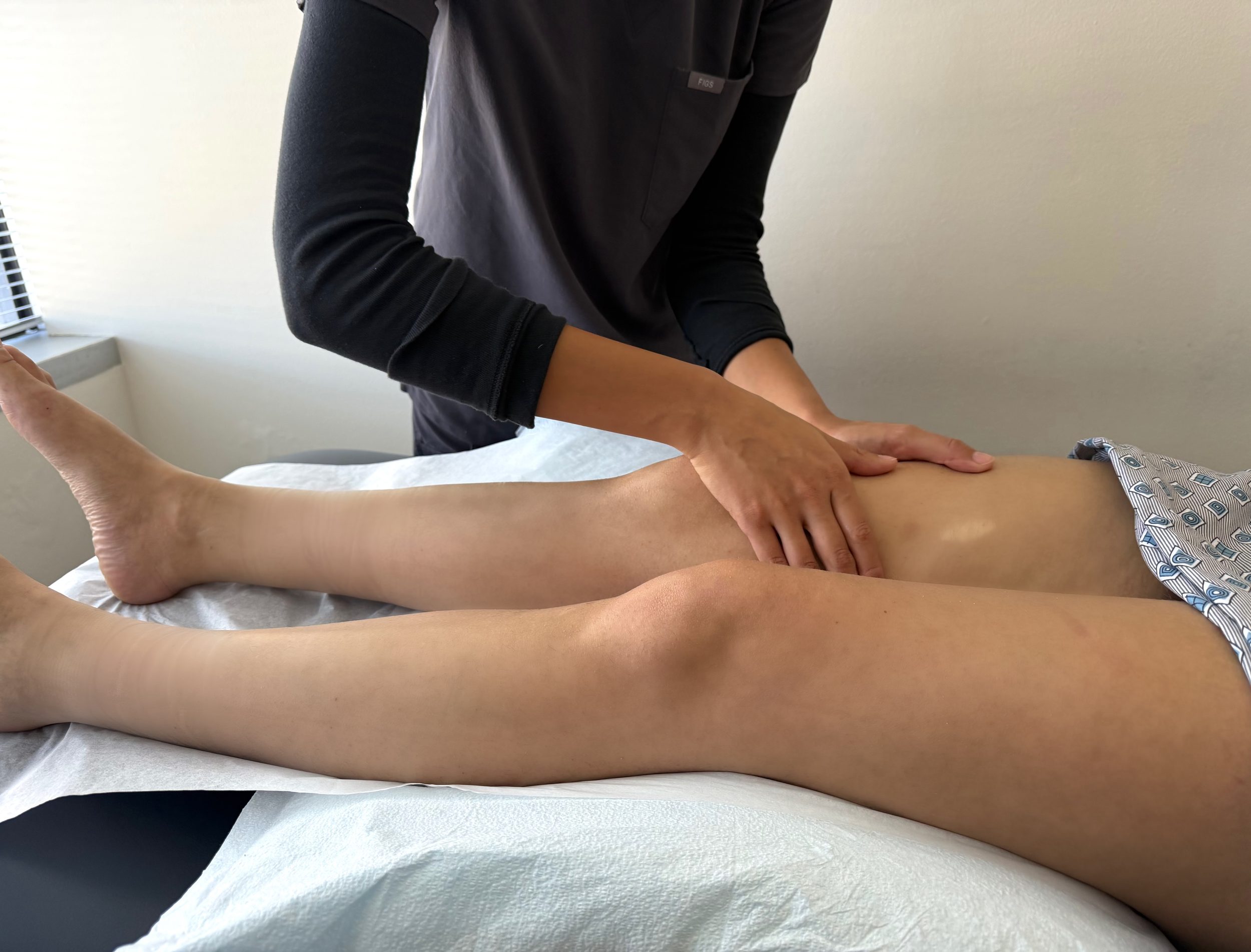
Manual Lymphatic Drainage (MLD)

Manual lymphatic drainage (MLD) is a specialized hands-on technique designed to encourage lymphatic fluid to move away from areas where it has accumulated. Unlike traditional massage, MLD uses light, rhythmic movements that follow the pathways of the lymphatic system. It may help reduce swelling, soften congested tissue, ease sensations of heaviness or tightness, and support movement when incorporated into an appropriate treatment plan.

At the Lymphedema Center in Santa Monica, MLD is recommended according to each patient’s diagnosis, circulation, tissue condition, and overall health. Dr. Emily Iker’s board certification in Physical Medicine and Rehabilitation informs an approach centered on both symptom management and physical function. Before treatment begins, she evaluates the cause of the swelling and whether lymphatic drainage is medically appropriate.

What Is Manual Lymphatic Drainage?

The lymphatic system collects excess fluid, proteins, and cellular waste from the tissues and returns them to circulation. When lymphatic vessels or nodes are absent, damaged, or overwhelmed, fluid may remain in the tissues, contributing to swelling.

MLD uses carefully directed skin-stretching movements to stimulate superficial lymphatic vessels. Treatment generally begins in areas with functioning drainage before progressing toward the swollen region. This sequence is intended to create pathways through which fluid may be redirected.

Because most lymphatic vessels are located close to the skin, the pressure is much lighter than that used during deep-tissue massage. Forceful kneading is not necessary and may be uncomfortable or inappropriate for tissues affected by lymphedema, lipedema, inflammation, or fibrosis.

Which Conditions May Benefit From MLD?

Manual lymphatic drainage is most closely associated with lymphedema, but it may be considered for several conditions treated at the Center, including:

MLD does not address every cause of enlargement. For example, it cannot remove the abnormal fatty deposits associated with lipedema, Dercum’s disease, or Madelung’s disease. It may still be useful when lymphatic fluid accumulation exists alongside one of these conditions.

Venous insufficiency may also contribute to leg swelling, but significant venous or arterial disease can affect treatment decisions. When vascular involvement is suspected, Dr. Iker may recommend additional testing or coordinated care before incorporating MLD.

What Happens During an MLD Session?

Treatment is adapted to the location and severity of swelling. The patient is positioned comfortably while gentle movements are applied directly to the skin. Depending on the areas involved, the session may address the neck, trunk, arms, legs, abdomen, face, or other regions.

Patients commonly describe MLD as calming and comfortable. The technique should not cause significant pain, bruising, or forceful compression. Tender tissues may require additional modifications, especially in patients with lipedema or Dercum’s disease.

Patients may also be instructed on how to perform self-MLD techniques that can be incorporated into their at-home conservative management routine.

MLD may produce temporary changes in swelling or tissue comfort, but it is rarely used as the only form of lymphedema management. Results depend on the cause and stage of the condition, the presence of fibrosis, and the patient’s ability to maintain improvements between sessions.
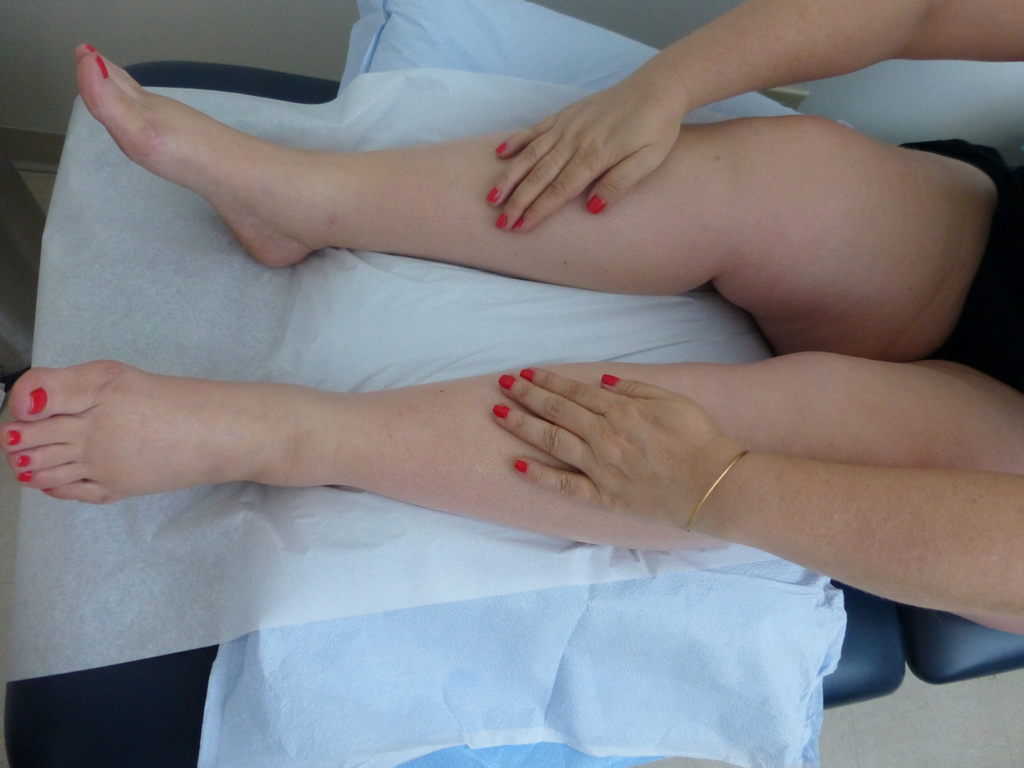
Self-MLD

How Does MLD Fit Into a Broader Treatment Plan?

Manual lymphatic drainage is often part of complete decongestive therapy, a broader approach to managing lymphedema. Depending on the patient, treatment may also include:

  • Compression bandaging or garments

  • Movement and therapeutic exercises

  • Skin and nail care

  • Pneumatic compression

  • Education about infection prevention

  • Weight-management or nutritional guidance when relevant

  • A personalized home-care routine

Compression may help prevent fluid from returning after it has been redirected. Movement supports circulation and lymphatic flow, while skin care helps reduce the risk of cellulitis. Each component is selected according to the patient’s health, functional ability, and treatment goals.

Some patients may also be taught simplified self-MLD techniques. These movements should be demonstrated by a qualified professional, as the direction and sequence depend on the affected area and the available lymphatic pathways.

When May Manual Lymphatic Drainage Be Inappropriate?

An evaluation is important before beginning MLD because new or unexplained swelling may have a cause that requires different care. Treatment may need to be postponed or modified when a patient has:

  • Active cellulitis or another acute infection

  • A suspected or untreated blood clot

  • Unexplained sudden swelling

  • Uncontrolled heart failure

  • Certain kidney or circulatory conditions

  • Open wounds or fragile skin

  • New pain, redness, warmth, or fever

These concerns do not always rule out future lymphatic treatment, but they may require medical stabilization, testing, or clearance first. Sudden swelling accompanied by chest pain or shortness of breath requires emergency attention.

Why Choose Dr. Emily Iker for Manual Lymphatic Drainage Planning?

MLD is most useful when it is based on an accurate diagnosis rather than offered as a general treatment for swelling. Dr. Iker has spent more than three decades evaluating lymphedema, lipedema, phlebo-lymphedema, and related tissue disorders. Her clinical assessment may include diagnostic ultrasonography to examine fluid accumulation, tissue thickness, and fibrosis.

At the LE&RN-designated Lymphedema Center of Excellence, recommendations account for medical risks, mobility, comfort, and the practicality of ongoing care. Dr. Iker determines whether MLD is suitable, how it should fit with compression and movement, and when another specialist should participate in treatment.

Explore Manual Lymphatic Drainage

A medically guided evaluation can determine whether manual lymphatic drainage is appropriate for your individualized swelling-management plan. Call Emily Iker, MD, at the Lymphedema Center at (310) 829-7472 to schedule a consultation in Santa Monica, CA.

Scroll to Top