

Swelling disorders can differ substantially in their causes, symptoms, tissue changes, and effects on daily life. Even patients with the same diagnosis may have different needs depending on the areas affected, symptom severity, circulation, mobility, age, medical history, and ability to follow a home-care routine. For these reasons, effective lymphatic care cannot be based on a single standardized treatment plan.
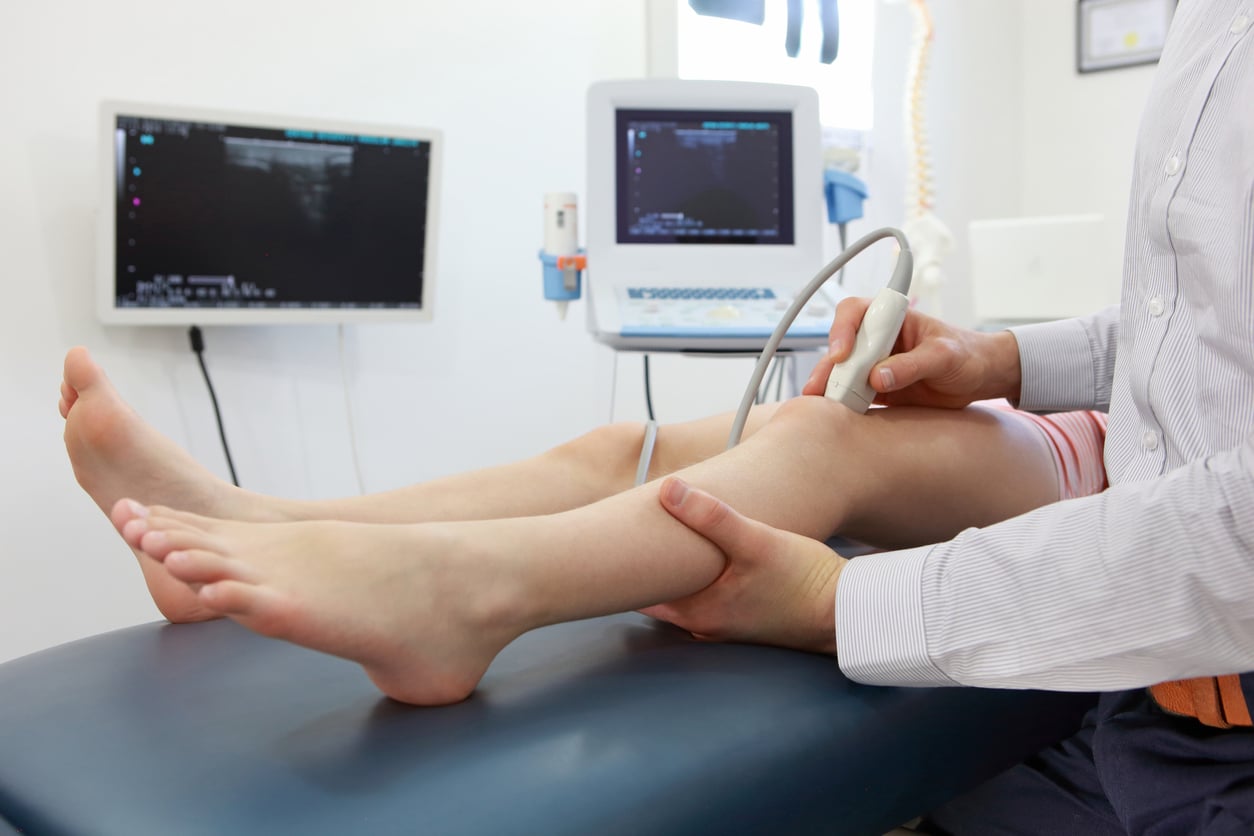
At the Lymphedema Center in Santa Monica, Dr. Emily Iker creates individualized treatment plans for patients with lymphatic, venous, adipose, and related swelling conditions. Her approach combines a detailed medical evaluation with diagnostic ultrasonography when appropriate. Recommendations are then shaped around the patient’s diagnosis, physical findings, health considerations, functional goals, and everyday circumstances.
How Is an Individualized Treatment Plan Created?
Treatment planning begins with determining what is causing or contributing to the patient’s symptoms. Dr. Iker reviews when swelling or tissue changes began, how they have progressed, and whether they are affected by activity, elevation, heat, travel, hormonal changes, or prolonged sitting or standing.
The evaluation may also consider:
- Previous surgeries, injuries, infections, or cancer treatment
- Venous disease or a history of blood clots
- Pain, bruising, heaviness, or tissue tenderness
- Skin condition and episodes of cellulitis
- Current medications and medical conditions
- Strength, balance, mobility, and joint movement
- Previous treatments and how the patient responded
- Work responsibilities, caregiving demands, and lifestyle
- The patient’s priorities and treatment goals
Diagnostic ultrasonography may be used to assess tissue thickness, fluid accumulation, fibrosis, or other changes associated with lymphatic and adipose disorders. Vascular studies, bloodwork, imaging, or evaluation by another specialist may be recommended when additional information is needed.
How Do Treatment Plans Differ by Condition?
The diagnosis influences which therapies may be useful, which precautions are necessary, and whether other specialists should be involved.
Lymphedema and Limb Swelling
For primary or secondary lymphedema, care may focus on controlling fluid accumulation, protecting the skin, reducing the risk of infection, and preserving mobility. Unexplained limb swelling requires careful assessment before initiating lymphatic treatment, as blood clots, infections, medication side effects, and systemic medical conditions can cause similar symptoms.
Phlebo-Lymphedema and Venous Insufficiency
When venous pressure and lymphatic dysfunction both contribute to swelling, the plan may address the lymphatic component while coordinating vascular evaluation or treatment. Compression must be selected with attention to arterial circulation, skin integrity, wounds, and the severity of venous disease.
Lipedema
Lipedema treatment planning may emphasize tissue comfort, mobility, joint protection, symptom management, and associated swelling. Recommendations may also account for bruising, pain, hormonal history, nutritional needs, and the possible development of secondary lymphedema. Patients considering lipedema reduction surgery may need coordinated preoperative or postoperative care.
Pediatric and Geriatric Swelling Conditions
Plans for children consider growth, developmental stage, school activities, family involvement, and the long-term practicality of treatment. For older adults, recommendations may need to account for fragile skin, reduced strength, circulatory concerns, balance problems, chronic conditions, or caregiver assistance.
Dercum’s and Madelung’s
Diseases
Dercum’s disease may require a multidisciplinary plan centered on painful fatty tissue, mobility, associated swelling, and daily function. Madelung’s disease may require monitoring and referral when fatty deposits affect movement, breathing, swallowing, sleep, or nearby structures. Lymphatic therapies are recommended only when the evaluation identifies a relevant swelling component.
Which Treatments May Be Included?
Depending on the diagnosis and medical findings, an individualized plan may include:
- Manual lymphatic drainage
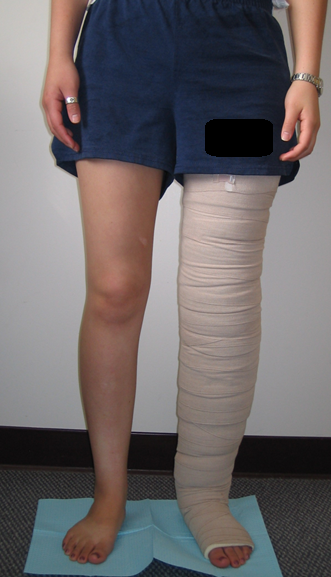
- Compression garments or specialized bandaging
- Pneumatic compression with Dr. Iker’s FDA-approved compression sleeve insert for selected patients
- Movement or exercise adapted to physical ability
- Strategies for reducing cellulitis and wound risks
- Nutritional or weight-management guidance when relevant
- Education for family members or caregivers
- Coordination with vascular, surgical, cardiac, renal, pain-management, or other specialists
Not every therapy is appropriate for every patient. Compression, for example, may require modification or medical clearance in patients with arterial disease, certain cardiac conditions, reduced sensation, wounds, or fragile skin.
Can the Treatment Plan Change Over Time?
An individualized plan is not static. Swelling, tissue consistency, pain, mobility, and medical needs can change over time. A plan that works during an early stage may need to be adjusted if fibrosis develops, a garment no longer fits, another condition is diagnosed, or the patient experiences changes in strength or daily routine.
Follow-up evaluation may include physical examination, measurements, symptom review, or repeat diagnostic ultrasonography. These findings help Dr. Iker determine whether treatment should continue, be modified, or involve additional medical care.
Why Choose Dr. Emily Iker for Individualized Treatment Planning?
Dr. Iker founded the Lymphedema Center more than 30 years ago to provide medically guided care for patients with complex and frequently misunderstood swelling disorders. The Center is recognized by the Lymphatic Education & Research Network as a Center of Excellence.
Rather than treating enlargement as an isolated symptom, Dr. Iker considers its cause, tissue characteristics, medical risks, functional effects, and emotional burden. Her personal experience with secondary lymphedema also informs her understanding that a treatment plan must be manageable outside the clinic. Each patient receives practical guidance designed around both clinical needs and everyday life.
Develop an Individualized Treatment Plan
A personalized approach can help patients better understand their condition and identify appropriate strategies for managing swelling, pain, and tissue changes. Call Lymphedema Center – Emily Iker, MD at (310) 829-7472 to schedule a consultation for an individualized treatment plan in Santa Monica, CA.