

Swelling in an arm or leg can develop for several reasons, from an injury or circulation problem to a disorder involving the lymphatic system. It may appear suddenly or build gradually, affect one limb or both, and range from mild puffiness to persistent enlargement that interferes with movement. Because limb swelling is a symptom rather than a diagnosis, identifying its cause is an important first step toward finding appropriate care.
At the Lymphedema Center in Santa Monica, Dr. Emily Iker evaluates swelling with attention to its pattern, history, and effects on the surrounding tissues. With more than 30 years of experience in lymphatic medicine, she is familiar with conditions that can be difficult to distinguish, including lymphedema, phlebo-lymphedema, lipedema, venous insufficiency, and rare fat disorders. Her goal is to give patients a clearer explanation for their symptoms and a plan suited to their individual needs.
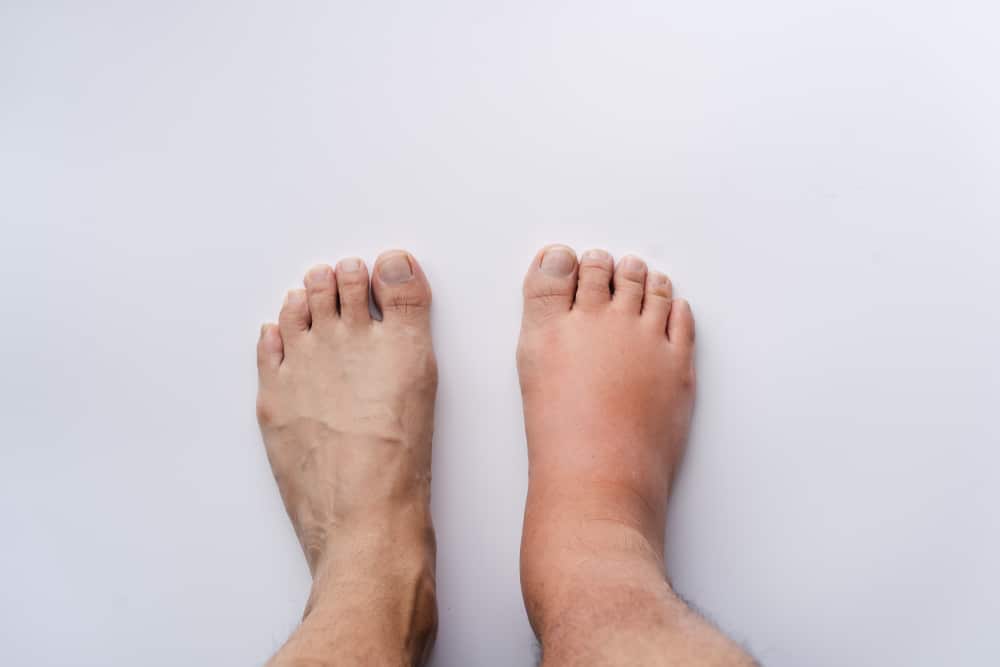
What Causes Limb Swelling?
Limb swelling occurs when fluid collects in the tissues or when inflammation, abnormal fat distribution, or tissue growth increases the size of an arm or leg. Some causes are temporary, while others require ongoing management.
Potential causes include:
- Lymphedema caused by impaired lymphatic drainage
- Venous insufficiency that allows blood and fluid to collect in the legs
- Phlebo-lymphedema involving both the venous and lymphatic systems
- Lipedema, which causes painful and disproportionate fat accumulation
- Surgery, radiation therapy, trauma, or infection
- Prolonged sitting, standing, or limited mobility
- Certain medications
- Heart, kidney, or liver conditions
- Dercum’s disease or Madelung’s disease
- Developmental, pediatric, or age-related health conditions
Swelling may also have more than one cause. For example, longstanding venous insufficiency can eventually place enough strain on the lymphatic system to produce phlebo-lymphedema. A detailed evaluation helps separate these possibilities and determine whether coordination with another medical specialist is needed.
What Symptoms May Occur With Limb Swelling?
The appearance and sensation of swelling can provide useful clues about its source. Patients may notice:
- A visible difference between the limbs
- Puffiness around the hands, feet, ankles, or joints
- Heaviness, fullness, tightness, or aching
- Clothing, shoes, watches, or jewelry fitting differently
- Swelling that worsens as the day progresses
- Reduced flexibility or difficulty walking
- Tender, firm, thickened, or uneven tissue
- Changes in skin color or texture
- Fluid leaking through the skin
- Recurring wounds or skin infections
Sudden unexplained swelling, particularly in one leg, requires prompt medical attention. Emergency care may be necessary when swelling occurs with chest pain, difficulty breathing, dizziness, coughing blood, or other severe symptoms because these can indicate a serious heart or blood-clot-related problem. Mayo Clinic (opens in new tab) provides additional guidance on urgent symptoms.
How Is the Cause of Limb Swelling Diagnosed?
An evaluation begins with questions about when the swelling started, whether it changes during the day, and what seems to improve or worsen it. Dr. Iker also considers previous surgeries, cancer treatment, infections, injuries, blood clots, medications, family history, and other medical conditions.
During the physical examination, she evaluates where the swelling occurs, whether one or both limbs are involved, and how the skin and underlying tissues feel. Diagnostic ultrasonography may be used to gather more information about tissue characteristics. Dr. Iker is the lead author of pioneering research exploring ultrasonography in the diagnosis and monitoring of lymphedema and lipedema. Depending on the suspected cause, vascular testing, laboratory work, imaging, or evaluation by another specialist may also be recommended.
How Is Limb Swelling Managed?
Treatment depends on the diagnosis, not on swelling alone. Recommendations may include:
- Compression garments or specialized bandaging, including the practice’s FDA-approved compression sleeve design when appropriate
- Manual lymphatic drainage
- Therapeutic exercise and regular movement
- Elevation when suitable for the underlying condition
- Pneumatic compression for selected patients
- Skin and nail care
- Nutritional or weight-management guidance when relevant
- Medical care for an underlying venous or systemic condition
The aim may be to reduce fluid buildup, improve comfort, maintain mobility, protect the skin, and prevent complications. Treatment can change as the swelling responds or the patient’s health and daily needs evolve.
Why Choose Dr. Emily Iker for Limb Swelling Treatment?
Dr. Iker has devoted her career to evaluating and managing complex lymphatic and swelling disorders. Her specialty training in Physical Medicine and Rehabilitation gives her a broad perspective on how swelling can affect movement, function, and quality of life.
Rather than making recommendations based solely on limb size, Dr. Iker closely examines the character of the tissue, medical risk factors, associated symptoms, and the practical challenges the patient faces. Her individualized approach is supported by decades of clinical experience, ongoing research, and a commitment to explaining each patient’s condition in understandable terms.
Get Clarity About Persistent Limb Swelling
You do not have to keep guessing why an arm or leg remains swollen. Call Lymphedema Center – Emily Iker, MD at (310) 829-7472 to schedule a consultation and receive an individualized evaluation in Santa Monica, CA.